Delightful Ethical Digital

BILD

Simplifying the complex

Read the BILD case study

The challenge

British Institute of Learning Disabilities’ (BILD) existing website wasn’t really pulling its weight anymore. People struggled to find what they needed, and that feedback was coming in from all directions – staff, partners, and users themselves.

A lot of the content was dense and hard to navigate, and the structure didn’t make things any easier. If you didn’t already know your way around, it wasn’t obvious where to start.

At the same time, BILD had updated its brand, but the website hadn’t caught up. It didn’t reflect the organisation particularly well – especially the human side of the work, which is such a big part of what they do.

There was also the challenge of multiple audiences. The site needed to work for professionals, commissioners, members, and people with lived experience – all looking for slightly different things. The existing setup didn’t really support that.

On top of that, the website wasn’t doing much to support key actions like training enquiries, event bookings or general engagement. It needed to work harder.
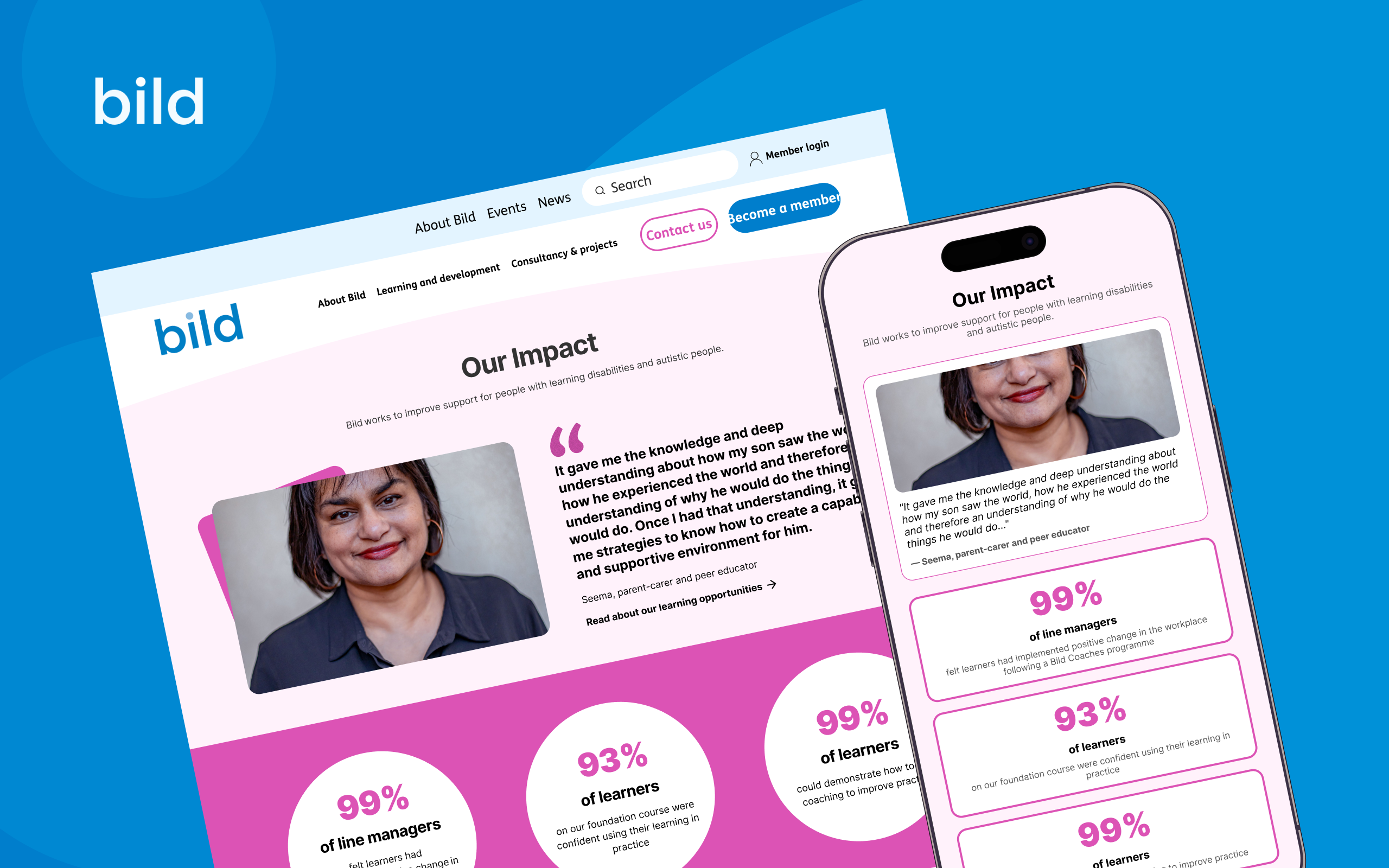
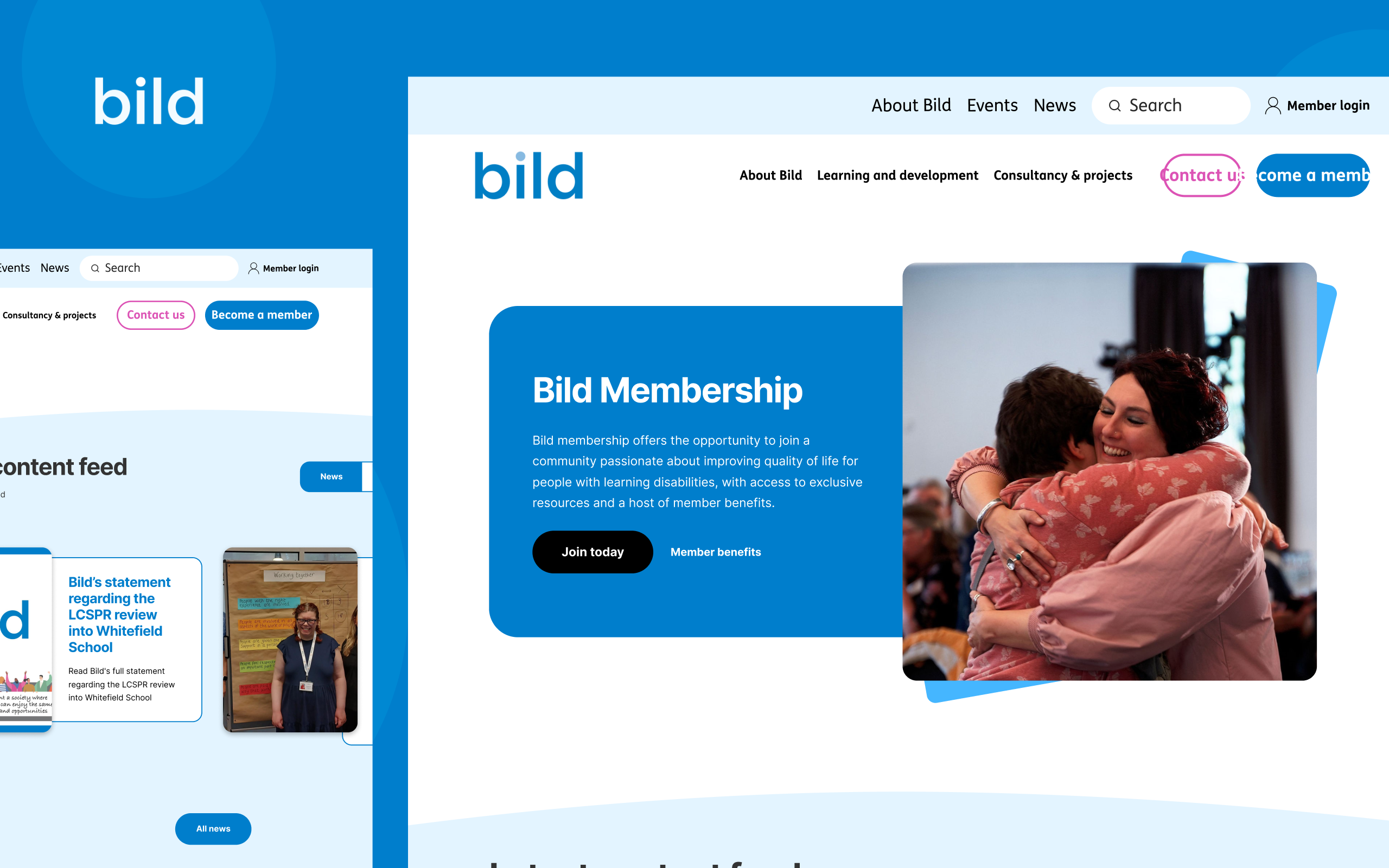
 

Making content clearer, more human and easier to engage with

Our approach

We started by taking a step back.

Through Discovery and a series of workshops, we worked with the BILD team to get clear on what the site actually needed to do – not just what it should look like. That included defining OKRs, so there was a shared understanding of what success would mean in practice, and how the website would support wider organisational goals.

Alongside this, we made space to bring user perspectives into the process. Even within a relatively tight budget, we worked with BILD to sense-check assumptions and ground decisions in real experiences – particularly around how people navigate the site and what they need from it.

This helped us focus on the things that would make the biggest difference day to day, rather than trying to solve everything at once.

BILD’s work spans a lot of different areas, audiences and services, and one of the biggest challenges was making sense of that in a way that would feel clear to someone arriving at the site for the first time. Rather than simply reflecting internal structures, we worked closely with the team to simplify and reshape how content was organised – sometimes challenging assumptions along the way.

A big part of the work was untangling the structure of the site. We stripped it back and rebuilt it around how people actually look for things, rather than how the organisation is set up internally. That meant clearer sections, more obvious routes through the content, and fewer moments where you hit a dead end.

Accessibility wasn’t something we bolted on at the end. It shaped decisions all the way through – from how content is written to how pages are laid out and navigated. Given BILD’s audience, this wasn’t just about meeting standards, but about making sure the site is genuinely usable for the people it’s there to support.

At the same time, we explored how the refreshed brand could come through more clearly online – creating something that feels more open, more human, and more reflective of the organisation’s work.

A simpler, more intuitive structure helps people quickly find the services and support they need

The solution

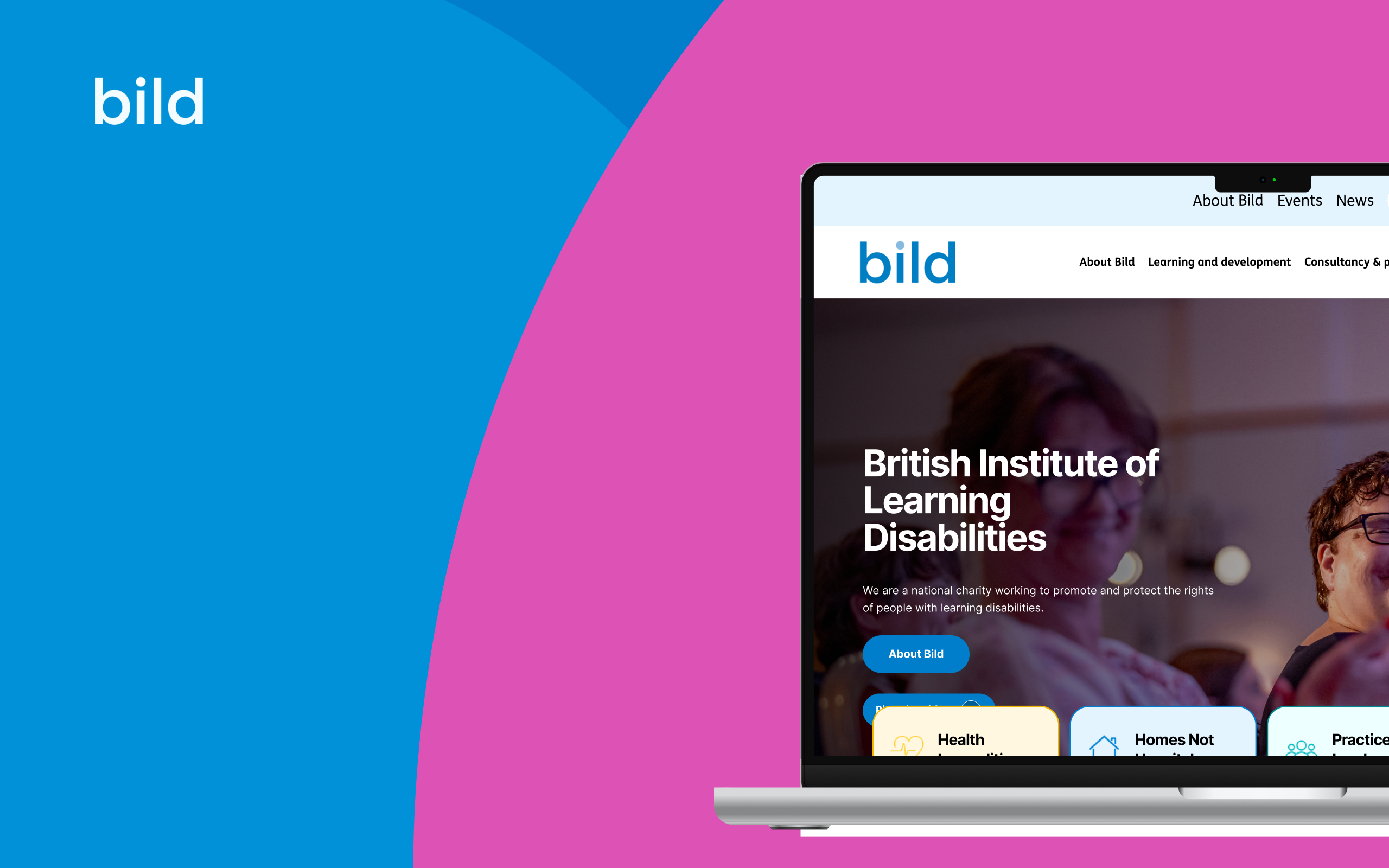
The new site is built on WordPress and gives BILD a much more flexible setup to work with.

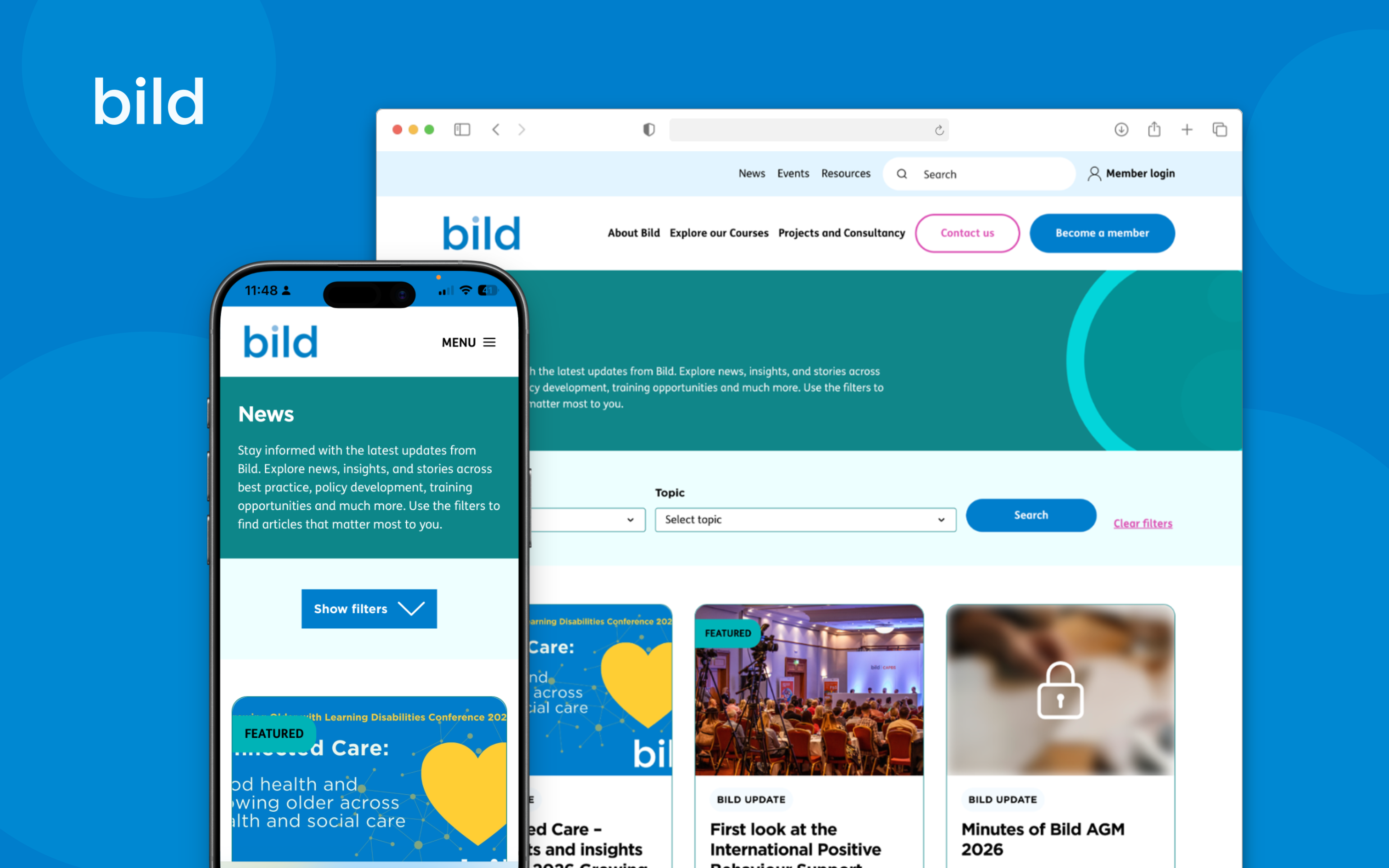
Navigation is simpler and more intuitive, which makes a noticeable difference straight away. Whether someone is looking for training, events or resources, it’s much clearer where to go.

Content has been broken up and structured in a way that’s easier to take in. There’s less reliance on long blocks of text, and more use of components that help guide people through a page.

We set up structured listings for things like news, events and resources, so content is easier to manage day to day and doesn’t become unwieldy over time. It also makes a difference on the front end – people can browse and filter things much more easily.

We also connected the site to BILD’s wider systems, including a Salesforce integration that supports membership and customer journeys. This allows people to sign up, log in and access relevant content through a single, joined-up experience, while giving the BILD team a clearer view of interactions and activity behind the scenes.

It reduces manual handling, keeps data in sync, and supports more consistent communication with members over time.

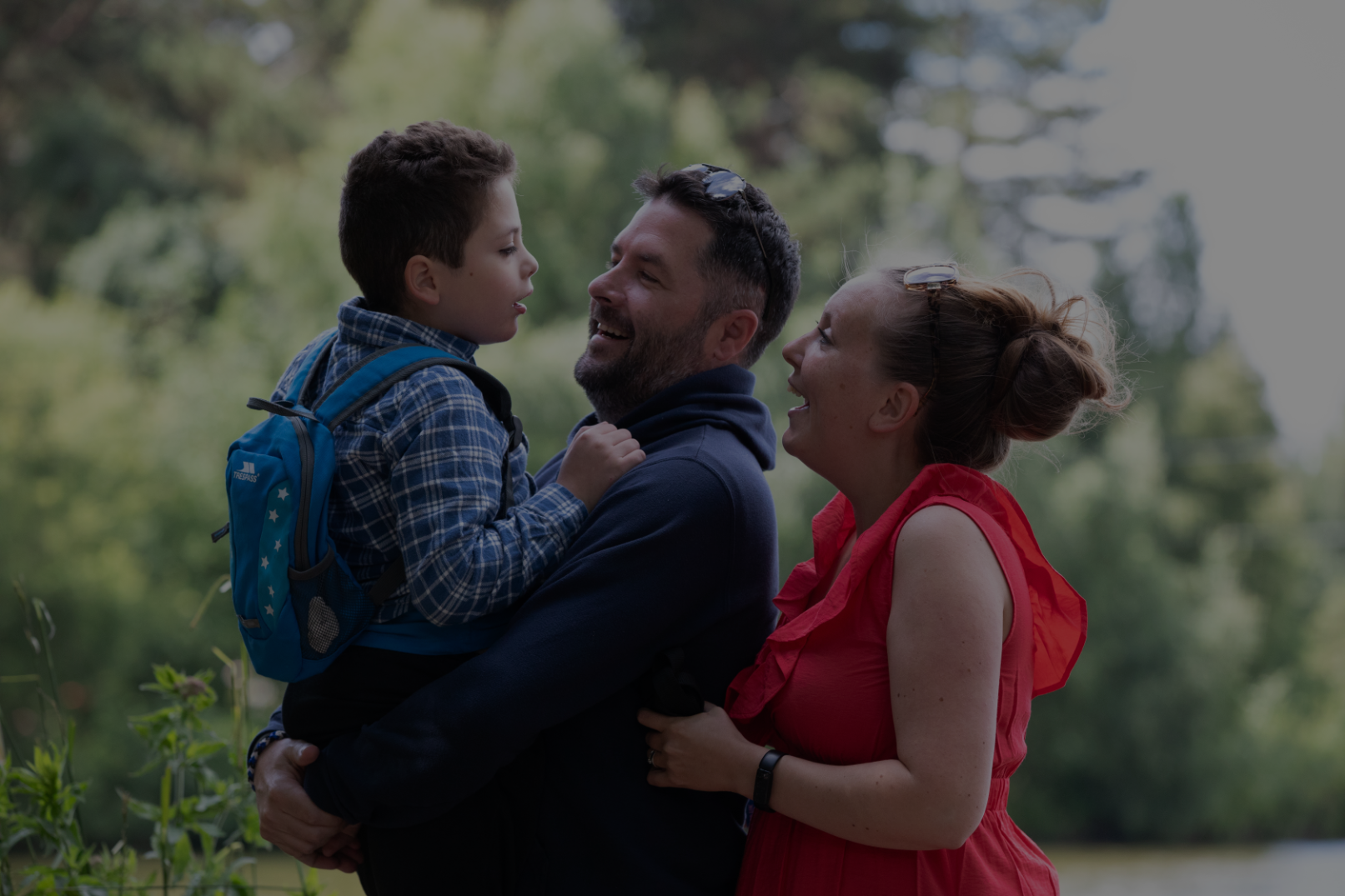
The design brings more personality into the site, with better use of imagery and a stronger sense of the people behind the organisation.

Accessibility runs throughout – not just in technical terms, but in how the whole experience has been put together.

Flexible listings and filters give users clearer routes through content – whether on mobile or desktop

The result

The difference is immediate.

People can find what they need more easily, and the journeys through the site feel much clearer. Key actions – like exploring training or booking onto events – are more visible and easier to complete.

For the BILD team, managing content is now much more straightforward. They’ve got a system that supports regular updates without things becoming messy again.

As Clare Stephen, BILD’s Director of Communications said: 

“It looks absolutely fantastic!”

And more broadly, the site feels like a much better reflection of the organisation – clearer, more open, and more aligned with the way they actually work.

Looking to make your website clearer, more useful and easier to manage? Let’s talk.

www.bild.org.uk

Get in touch

Speak to us about your project, get a quote